
13 Oct What causes sciatica, and how is it treated?
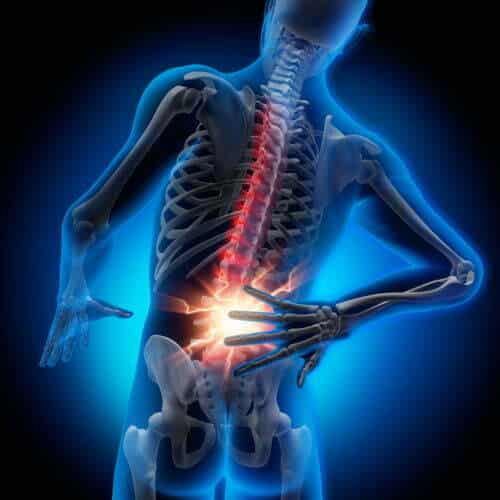
Quick answer: Sciatica is nerve pain that radiates from your lower back down one leg, caused when the sciatic nerve is compressed or irritated, often by a herniated disc, spinal stenosis, or a bone spur. Most cases improve with non-surgical, minimally invasive care rather than surgery.
Common symptoms
- Sharp, burning, or shooting pain from the lower back into the leg or foot
- Numbness or a pins-and-needles feeling in the affected leg
- Muscle weakness or difficulty standing and walking
- Pain that worsens with sitting, prolonged standing, or lifting
What causes it
Sciatica is a set of symptoms, not a diagnosis itself. It usually traces back to a herniated disc, spinal stenosis, a bone spur, or irritation along the nerve’s path. Early evaluation matters, because treating the underlying cause early helps prevent chronic nerve irritation.
How it’s treated
Most patients find relief without surgery. Common options include image-guided epidural steroid injections, diagnostic and therapeutic nerve blocks, a targeted physical therapy program, and, for lasting relief, radiofrequency ablation to quiet overactive pain signals.
Frequently asked questions
Does sciatica go away on its own?
Many mild cases improve within a few weeks with conservative care, but pain that persists or radiates past the knee should be evaluated by a specialist.
Is surgery required for sciatica?
Usually not. Most patients find relief through injections, physical therapy, and minimally invasive procedures.
When should I see a pain specialist?
If leg pain lasts more than a few weeks, keeps worsening, or comes with numbness or weakness, it’s time to have it assessed.
If sciatica is limiting your day, our specialists can pinpoint the source and build a minimally invasive treatment plan. Schedule a consultation with Illinois Pain & Spine Institute: call (800) 340-7246 or Book Online Here.